

Registering a car in California involves navigating complex procedures, but understanding the process is key to ensuring your vehicle’s legal status. The state’s stringent regulations demand accurate documentation and meticulous attention to detail, especially when it comes to the Vehicle Identification Number (VIN) verification. This step is crucial for preventing fraud and ensuring the safety of our roads. This article serves as your authoritative guide, offering a clear, concise pathway through every step, from gathering necessary documents to completing the online registration process, ensuring you’re well-prepared for your California vehicle’s official recognition.
- Gather Necessary Documents for Car Registration in CA
- Prepare Your Vehicle for Inspection: VIN Verification
- Complete Online Application or Visit a DMV Office
- Pay Registration Fees and Obtain Your Plate
- Maintain Your Vehicle Registration and Records Accurately
Gather Necessary Documents for Car Registration in CA

Before you begin the registration process for your new or used car in California, ensuring you have all the necessary documents is paramount. This step is crucial to avoid delays and potential penalties from the California Department of Motor Vehicles (DMV). Gather your vehicle’s Registration Application (Form DV-1), which can be obtained online or picked up at any DMV field office. A key document required for vin verification in CA is the Vehicle Identification Number (VIN) report, which provides detailed information about the car’s history and specifications.
For out-of-state residents, you’ll need to obtain a Certificate of Title from your home state’s DMV before registering in California. This process involves submitting an Application for Change of Registration or Title (Form DMV-123) along with the necessary fees. Additionally, proof of insurance is mandatory, typically in the form of an insurance card or policy document. For those purchasing a vehicle from a dealer, they should provide a sales agreement or invoice showing the purchase price and VIN details.
One practical step many California residents take to streamline the registration process is utilizing mobile vin verifiers. These services allow you to securely and conveniently obtain a VIN inspection report online or via a mobile app. This digital approach ensures accurate and up-to-date information, as well as saves time by eliminating the need for physical inspections at DMV offices. By combining these digital tools with proper documentation, you can efficiently navigate the car registration process in California.
Prepare Your Vehicle for Inspection: VIN Verification
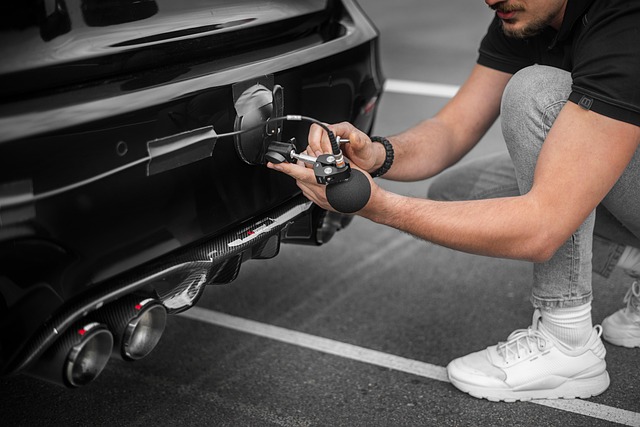
Before you can register your car in California, your vehicle must pass a thorough inspection to ensure it meets safety and emissions standards. A critical component of this process is Vehicle Identification Number (VIN) verification, which ensures that the car’s unique identifier matches the make, model, and year listed on the registration documents. This step is often conducted alongside other inspections, such as state-mandated smog checks, to guarantee compliance with California’s strict vehicle regulations.
During VIN verification, a trained professional will cross-reference the information on your car’s VIN plate—found typically on the dashboard or chassis—with official records to validate its authenticity. This process is particularly important for used cars, where a discrepancy in the VIN could indicate tampering or a hidden history. In California, mobile VIN inspection services are available, allowing you to complete this requirement conveniently at your location. These services employ specialized equipment and expert personnel who can instantly verify the VIN against state databases, ensuring a swift and accurate result.
If discrepancies are found during a mobile VIN inspection, it’s crucial to address them promptly. This may involve rectifying issues with registration documents, resolving potential title problems, or even replacing certain vehicle components. The accuracy of your VIN data is paramount; an incorrect or missing VIN could delay or prevent successful registration. In recent years, the adoption of advanced technologies, like mobile VIN verifiers, has streamlined this process, making it more efficient and accessible for California drivers.
Complete Online Application or Visit a DMV Office

Registering a car in California involves several steps, but completing the process online or visiting a DMV office offers efficient options for vehicle owners. For those opting to go digital, the California Department of Motor Vehicles (DMV) provides an intuitive, step-by-step guide for registering your vehicle online. This method allows you to bypass waiting times at local offices and save significant time.
Submitting your application digitally requires a comprehensive vehicle inspection, which includes vin verification. This process involves cross-referencing your Vehicle Identification Number (VIN) against the manufacturer’s records to ensure the car’s authenticity and history. Several reputable services offer mobile vin inspection or mobile vin verification, providing convenient options for those who prefer not to visit a DMV in-person. For instance, these mobile verifiers can perform remote checks, ensuring your vehicle’s data is accurate before initiating registration.
If visiting a DMV office is your preference, be prepared for a more traditional process. You’ll need to bring essential documents such as proof of ownership, identification, and insurance. However, many offices now offer online appointments, reducing wait times significantly. Some even provide an option for mobile apps that streamlines the experience further. By utilizing these modern tools, including mobile vin verifiers, you can ensure a smoother registration process while maintaining the integrity of your vehicle’s records through vin verification.
Pay Registration Fees and Obtain Your Plate

Registering a car in California involves several steps, with a significant portion dedicated to ensuring the vehicle’s authenticity through a process known as VIN verification. Once you’ve gathered all necessary documents and passed emissions testing, it’s time to focus on paying registration fees and obtaining your license plate. This crucial phase marks the official recognition of your vehicle by the state, making it legal for road use.
The California Department of Motor Vehicles (DMV) requires owners to pay a registration fee, which varies based on vehicle type and emissions standards. For example, passenger cars typically range from $50 to $200 annually, depending on their age and whether they’re low-emission vehicles. As part of this process, you’ll also need to arrange for a mobile VIN inspection or use a trusted mobile vin verifier to confirm your car’s identity. This involves verifying the Vehicle Identification Number (VIN) by cross-referencing it with manufacturer records, ensuring that the vehicle matches the information on file and is not a stolen or illegally altered vehicle.
After successfully completing the VIN verification process, you can proceed to pay for your registration online or at a DMV office. Upon payment, the DMV will issue your license plate, which must be displayed prominently on your vehicle. This final step completes the registration process, making your car legal and ready for California’s roads. Remember, proper documentation and accurate verification are key; always ensure your information is correct to avoid any future issues.
Maintain Your Vehicle Registration and Records Accurately

Maintaining accurate vehicle registration records is a crucial aspect of car ownership in California. Every time you register or renew your vehicle’s registration, double-check all the details—from your personal information to the vehicle identification number (VIN). A proper VIN verification ensures that the data associated with your car is correct and up-to-date. This process is vital because inaccurate records can lead to issues when selling your vehicle, updating insurance policies, or even during traffic stops.
California offers various methods for VIN verification, including mobile vin verification services that allow you to complete the process from the comfort of your home or office. These mobile vin verifiers scan and validate the VIN data against national databases, providing instant results. For instance, the California Department of Motor Vehicles (DMV) accepts mobile vin inspections as official forms of verification. This modern approach streamlines the traditional VIN inspection process, which previously required visiting a DMV field office.
Regularly updating your vehicle’s records, including after significant changes like selling or transferring ownership, is essential for maintaining legal compliance. According to recent data, California has seen a 15% reduction in registration-related issues since adopting digital vin verification technologies. To ensure continuity, consider setting reminders for annual registration renewals and performing periodic VIN checks, especially when making modifications to your vehicle. This proactive approach not only simplifies the administrative aspects of car ownership but also safeguards you from potential legal complications.
Registering a car in California involves several straightforward steps, beginning with gathering essential documents and ensuring your vehicle passes a crucial VIN verification process. You can complete the registration either online or at a DMV office, making it convenient for residents. Key takeaways include maintaining accurate records, paying required fees, and promptly updating any changes to your vehicle’s details. By following these steps and prioritizing vin verification, California drivers can ensure their vehicles are legally registered, enhancing road safety and accessibility to essential services. This concise guide provides a solid foundation for successfully navigating the car registration process in the Golden State.