

Looking to register your car in California? This comprehensive guide will walk you through the process, ensuring a smooth experience. First, understand the state’s unique registration requirements for vehicles. Then, gather essential documents for a crucial VIN (Vehicle Identification Number) verification step. After passing inspection, complete the registration online or in-person at the DMV. Pay the fees and receive your custom California license plate. Let’s dive into the details, including how to conduct a successful vin verification.
- Understand California Car Registration Requirements
- Gather Necessary Documents for VIN Verification
- Perform Vehicle Identification Number (VIN) Check
- Complete Online Registration or Visit DMV
- Pay Registration Fees and Receive Your Plate
Understand California Car Registration Requirements

Before registering your car in California, it’s crucial to understand the state’s specific requirements. One vital step is ensuring accurate and up-to-date information, including a valid Vehicle Identification Number (VIN) verification. This process confirms the vehicle’s authenticity and history, which is essential for safety and legal compliance.
In California, you’ll need to present a current and legitimate VIN inspection from a trusted source. Fortunately, many services offer convenient mobile vin verification and inspection options. A mobile vin verifier can perform this check on-site, saving you time and effort. This ensures that your car meets all necessary standards before finalizing the registration process.
Gather Necessary Documents for VIN Verification

Before registering your car in California, you’ll need to gather several essential documents for VIN (Vehicle Identification Number) verification. This process is crucial as it ensures that your vehicle meets all legal standards and identifies its unique characteristics. For a smooth registration experience, prepare the following:
1. The vehicle’s title, which can be obtained from the previous owner or through a purchase transaction.
2. A current registration certificate (if applicable) from another state.
3. Your valid driver’s license or state-issued ID card.
4. Proof of insurance that meets California’s minimum liability requirements.
5. Documentation of any recent safety inspections, if available.
6. The VIN from your vehicle, which can typically be found on the dashboard or in the owner’s manual. For added convenience, consider using a mobile vin verification service or a portable vin scanner to quickly and accurately retrieve this information.
Perform Vehicle Identification Number (VIN) Check
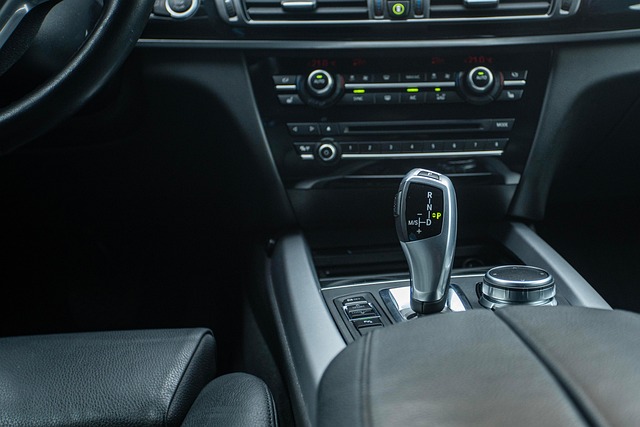
Before registering your car in California, it’s crucial to perform a Vehicle Identification Number (VIN) check. This step ensures that your vehicle is legitimate and has not been reported stolen or had its identity tampered with. A mobile VIN verifier can facilitate this process by providing a quick and convenient vin inspection right from your location. Simply input the VIN into the tool, and it will cross-reference it with state databases to verify its authenticity.
Once you have confirmed that the VIN is valid, you’ll need additional documents for registration, including proof of insurance, a completed California Vehicle Registration application, and a title (if applicable). A mobile vin verification service can also assist in this stage by helping you gather the necessary paperwork quickly, ensuring a smoother registration experience.
Complete Online Registration or Visit DMV

You have a few options when it comes to registering your car in California. One convenient method is to complete the process entirely online. Many residents opt for this digital approach due to its simplicity and time-saving benefits, especially with tools like a mobile vin verifier readily available to streamline the initial stages. You’ll need to provide essential details about your vehicle, including its make, model, year, and unique VIN (Vehicle Identification Number) through a secure online portal.
Alternatively, you can visit a local California DMV office. Here, you can fill out registration forms in person, bringing along necessary documents such as proof of insurance, ownership, and identification. The on-site process often involves a vin inspection to verify the vehicle’s details, ensuring accuracy and security. Consider booking an appointment for a smoother experience, especially if using a mobile vin inspection service is not feasible or preferred.
Pay Registration Fees and Receive Your Plate

After completing your vehicle’s registration application, the next step is to pay the required fees. These include the registration fee and a license plate fee, which vary based on the type of vehicle. You can typically make payment online or at a California DMV office. Once your payment is processed, you’ll be issued a unique vehicle identification number (VIN) plate.
Remember, a crucial part of this process involves vin verification to ensure the accuracy of your vehicle’s information. For convenience, some services offer mobile vin verification and inspection, allowing you to complete this step easily from the comfort of your home or even while you’re on the go. Ensure that your plates are securely fastened to your vehicle once received, as they play a vital role in identifying your car and demonstrating legal compliance.
Registering a car in California is a straightforward process that requires understanding specific requirements and gathering essential documents. After completing the VIN verification, you can opt for online registration or visit a DMV office. Once approved, you’ll pay the necessary fees and receive your unique vehicle plates, ensuring your car is legally registered and ready to hit the California roads.