

Looking to register your car in California? This guide breaks down the process step-by-step, ensuring a smooth experience. From understanding essential requirements to gathering vital documents, you’ll learn everything needed to navigate the DMV efficiently. Key steps include verifying vehicle identity using a DMV VIN verifier and paying registration fees. Follow these instructions precisely to obtain your license plate promptly.
- Understand California Vehicle Registration Requirements
- Gather Necessary Documents for Car Registration
- Visit the DMV: Steps to Register Your Vehicle
- Verify Vehicle Identity using VIN (DMV Check)
- Pay Registration Fees and Receive Your License Plate
Understand California Vehicle Registration Requirements

Before registering your car in California, it’s crucial to understand the state’s specific requirements. The California Department of Motor Vehicles (DMV) mandates that all vehicles operated within the state be properly registered and bear a valid vehicle identification number (VIN) verifier. This ensures the authenticity of the vehicle and helps deter fraud.
One essential step is conducting a VIN inspection, which can typically be done through a mobile VIN verifier. These services allow you to verify your car’s history remotely, checking for any previous accidents or outstanding issues. By utilizing a mobile VIN inspection, you streamline the registration process, making it more convenient and efficient for California residents.
Gather Necessary Documents for Car Registration

Before you start the registration process, ensure you have all the required documents ready. The California Department of Motor Vehicles (DMV) requires a range of information to verify your car’s ownership and history. One crucial step is to obtain a Vehicle Identification Number (VIN) verification from a trusted source. You can use the services of a dmv vin verifier or opt for a convenient mobile vin verification method, which involves scanning the VIN with a smartphone app. This digital inspection provides an accurate and quick way to validate your vehicle’s details.
Additionally, gather important papers such as proof of ownership, which could be a title or a bill of sale, and valid identification documents like a driver’s license. It’s beneficial to check with the DMV beforehand to ensure you have all the necessary documentation, making the registration process smoother and faster.
Visit the DMV: Steps to Register Your Vehicle

To register your vehicle in California, begin by visiting a local Department of Motor Vehicles (DMV) office. The process involves several steps, ensuring all documents are accurate and complete. First, you’ll need to present essential paperwork, including proof of ownership and identification. The DMV will also require a completed registration application, which can be obtained on their website or at the counter.
Once there, take advantage of the DMV’s vin verifier tools for mobile vin inspection. This ensures your vehicle’s unique vehicle identification number (VIN) is accurate and helps streamline the registration process. After verifying the VIN, you’ll pay the necessary fees, which vary based on your vehicle type. Lastly, you’ll receive your registration documents, rendering your car legally registered in California.
Verify Vehicle Identity using VIN (DMV Check)
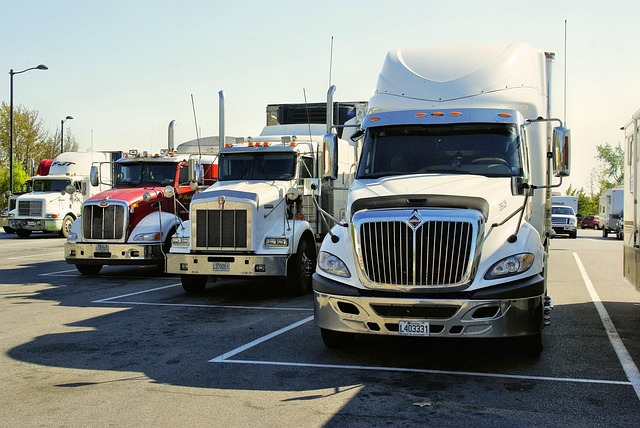
Before you can register your car in California, it’s crucial to ensure that the vehicle’s identity is verified accurately. One effective way to do this is by utilizing the Vehicle Identification Number (VIN) and a DMV-approved VIN verifier. A simple online or mobile vin inspection allows you to cross-reference the information with the Department of Motor Vehicles (DMV) database, confirming key details such as the year, make, model, and even previous ownership history.
Many apps and services now offer mobile vin verification, making this process convenient for California residents. By accessing a mobile vin verifier, you can quickly validate your car’s authenticity, ensuring that it matches the records on file with the DMV. This step is essential to prevent fraud and ensure that only legitimate vehicles are registered within the state.
Pay Registration Fees and Receive Your License Plate

After verifying your vehicle’s identity through a DMV VIN verifier or mobile VIN inspection, the next step is to pay the registration fees. These fees vary based on the type and age of your vehicle. You can typically pay online, by phone, or in person at any California DMV field office. It’s advisable to check their official website for the most current fee amounts. Once the payment is processed, you will be issued a registration certificate along with your new license plate.
Ensure that you have all necessary documents, including proof of insurance and identification, before heading to the DMV or using a mobile VIN verification service. This streamlined process not only saves time but also ensures that your vehicle’s registration is official and up-to-date, reflecting your vehicle’s unique VIN on its license plate.
Registering a car in California is a straightforward process, but it requires careful preparation. By understanding the state’s requirements, gathering the necessary documents, and following the steps at your local DMV, including using a VIN verifier for identity verification, you can ensure a smooth registration experience. Remember to pay all fees and receive your license plate to legally operate your vehicle on California roads.