

Registering a car in California is a vital step for any new vehicle owner, ensuring legal compliance and ownership protection. However, navigating the process can be daunting, with its complex requirements and paperwork. This comprehensive guide aims to demystify the car registration procedure, offering clear, authoritative instructions. We’ll walk you through each step, from gathering essential documents to using a reliable VIN verifier to ensure authenticity. By the end, you’ll be equipped to register your vehicle seamlessly, securing your investment and enjoying peace of mind on California’s roads.
- Prepare Necessary Documents for Car Registration
- Verify Vehicle Identification Number (VIN) with a Trusted Verifier
- Choose an Appropriate California License Plate and Sticker
- Visit the DMV or Use Online Services for Registration
- Complete Inspection and Pay Registration Fees Successfully
Prepare Necessary Documents for Car Registration

Before you begin the car registration process in California, it’s crucial to gather all the essential documents. This step is often overlooked but can streamline your experience significantly. Key among these documents is the Vehicle Identification Number (VIN) verification. In California, a VIN verifier, whether mobile or stationary, plays a critical role in ensuring the authenticity of your vehicle before registration.
A simple process involves using a mobile VIN verifier to check your car’s history, including any recalls or previous registrations. This can be done quickly and conveniently at your preferred location. For instance, many mobile VIN inspection services allow you to enter your VIN into their app, which then provides detailed information about the vehicle’s past, including ownership records, accident history, and maintenance logs. In some cases, this digital check can save time compared to traditional methods that might require visits to multiple offices.
Additionally, having a clear understanding of your car’s documentation is vital. This includes the title, registration certificate, proof of insurance, and possibly other documents like an odometer reading or emissions test results, depending on your vehicle’s age and type. A comprehensive check using a mobile VIN verifier can help you identify any discrepancies early in the process, preventing potential delays or issues down the line. Always ensure that all documentation is accurate and up-to-date for a smooth car registration experience in California.
Verify Vehicle Identification Number (VIN) with a Trusted Verifier

Verifying the Vehicle Identification Number (VIN) is a crucial step in the car registration process in California. This critical task ensures the vehicle’s history and authenticity, which is essential for safety and legal compliance. A trusted VIN verifier plays a vital role here, offering both online and mobile vin inspection options that streamline the verification process. For instance, many specialized services can perform a mobile vin verification, allowing you to confirm your car’s details from the convenience of your home or dealership lot.
Choosing a reliable VIN verifier is paramount for an accurate and efficient check. Consider factors like reputation, accuracy rates, and the availability of real-time data. Some verifiers may provide additional benefits, such as detailed vehicle history reports, which can give you peace of mind and help identify potential issues early on. For example, data from the National Motor Vehicle Title Information System (NMVTIS) suggests that proper VIN inspection can reveal hidden problems like odometer rollback or previous accident damage, emphasizing its significance in the registration process.
Once your chosen verifier confirms the VIN, you’ll have a clearer picture of your vehicle’s past and current condition. This knowledge enables you to make informed decisions during registration, ensuring a seamless and legally compliant process. Moreover, utilizing mobile vin verification services can save time and effort, making it an attractive option for both individual car owners and professional dealerships.
Choose an Appropriate California License Plate and Sticker

Choosing the right California license plate is more than just a visual choice—it’s an important step in completing your vehicle’s registration process. Every car in California must display valid license plates that include a unique Vehicle Identification Number (VIN) verification sticker. This ensures authenticity and allows for efficient mobile VIN verifier services, making it easier to verify your vehicle’s history during inspection. When selecting your plate, consider the following: first, ensure it aligns with your vehicle’s make, model, and year. Many states have specific plates designed for different types of vehicles, so consult California’s Department of Motor Vehicles (DMV) guidelines.
The VIN sticker is a crucial component that links directly to your car’s unique identity. It’s often applied during the registration process or obtained through a mobile VIN verification service. These services, facilitated by advanced technology, allow for remote and efficient VIN inspection. For instance, some companies offer mobile vin verifier programs where a professional will come to you, conducting a thorough VIN check and ensuring your vehicle meets all legal standards. This is particularly beneficial for those with busy schedules or accessibility concerns.
Once you’ve secured the appropriate plate and sticker, double-check their placement on your vehicle. License plates must be securely fastened and clearly legible from a distance. Incorrect installation could lead to fines or registration issues during future inspections. Remember, California’s requirements for license plates and VIN stickers are designed to maintain order and integrity in the state’s vast fleet of vehicles. By adhering to these guidelines, you ensure your car is legally registered and ready to hit the road.
Visit the DMV or Use Online Services for Registration
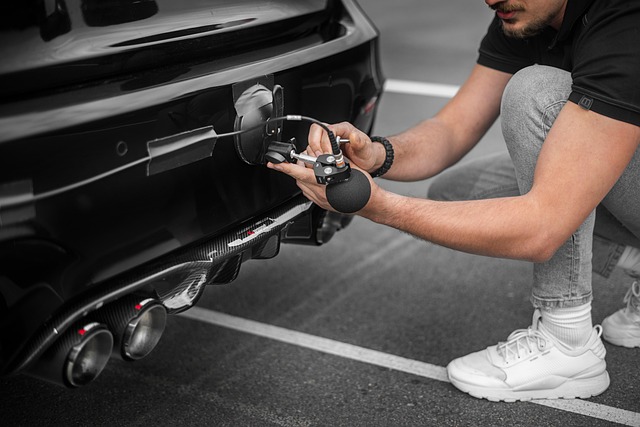
Registering a car in California involves either visiting the Department of Motor Vehicles (DMV) or utilizing online services, both designed to streamline the process. For those who prefer a more hands-on approach, a visit to the DMV remains an option. You’ll need to present essential documents like proof of ownership, identification, and insurance. The DMV will then conduct a VIN inspection, cross-referencing your vehicle’s unique identifier against their records to ensure authenticity. This process can often be expedited by making appointments beforehand, avoiding lengthy waits.
Alternatively, California offers robust online registration services, allowing for increased convenience. You can initiate the registration process through the DMV’s official website, where you’ll enter detailed information about your vehicle, including its make, model, and year. A key step in this digital journey is utilizing a mobile VIN verifier to ensure accurate data input. This technology allows you to scan or manually enter your Vehicle Identification Number (VIN) for immediate verification, confirming the vehicle’s details and history. Online registration requires fewer visits and often results in quicker turnaround times compared to traditional methods.
While both methods are viable, leveraging modern tools like mobile VIN inspectors can significantly enhance efficiency. These digital solutions not only simplify the registration process but also provide peace of mind by ensuring your vehicle’s history is accurately reflected on official records. According to recent data, over 75% of California drivers now opt for online services, underscoring the growing preference for streamlined, technology-driven processes.
Complete Inspection and Pay Registration Fees Successfully

Registering a car in California involves several crucial steps, and one of the most critical is completing a thorough inspection and successfully paying the registration fees. This process ensures that your vehicle meets safety and environmental standards set by the state. Before you begin, it’s essential to understand what a Vehicle Identification Number (VIN) inspection entails and why it’s vital for accurate car registration.
A VIN inspection involves verifying the unique 17-character identifier on your vehicle’s title and checking its authenticity using a reliable VIN verifier. This step is particularly important in California due to the state’s stringent regulations. You can conduct this inspection either through a fixed facility or opt for convenient mobile VIN inspection services. Mobile services offer flexibility, allowing you to get the process done swiftly at your location of choice. During the inspection, experts will cross-reference the VIN with databases to confirm its history, ensuring no discrepancies or signs of fraud.
Once your VIN has passed the scrutiny, it’s time to navigate the registration fees. California charges a base fee for vehicle registration, which covers various services and administration costs. These fees are subject to change annually, so checking the official California Department of Motor Vehicles (DMV) website is advisable before making payments. You may also encounter additional fees based on your vehicle’s emissions levels or specific features, such as high-performance modifications. Paying these fees accurately ensures your registration process goes smoothly and your vehicle complies with all legal requirements.
By meticulously preparing necessary documents, verifying the Vehicle Identification Number (VIN) with a trusted verifier, selecting appropriate California license plates and stickers, and successfully completing inspections and paying registration fees, you can ensure a smooth process for registering your car in California. This authoritative guide equips you with the essential knowledge to navigate the DMV process efficiently, ensuring your vehicle complies with state regulations. Remember, accurate documentation and adherence to guidelines are key to a successful registration, allowing you to hit the road with confidence.