

Registering a car in California is a crucial step for any new or existing vehicle owner. The process can be daunting, particularly with the myriad of requirements and regulations involved. One key aspect often overlooked is the proper DMV VIN verification, essential to ensure compliance and a smooth registration experience. This authoritative guide will walk you through each step, offering expert insights on navigating the California car registration process, from preparation to finalization, ensuring both accuracy and efficiency.
- Gather Required Documents for Car Registration in California
- Prepare Your Vehicle for DMV Inspection: A Step-by-Step Guide
- Understanding the DMV VIN Verification Process
- Complete and Submit Your California Car Registration Application
- Pay the Necessary Fees for Car Registration in CA
Gather Required Documents for Car Registration in California

Registering a car in California involves several steps, with proper documentation being key to a smooth process. Before heading to the California Department of Motor Vehicles (DMV), ensure you gather all necessary documents, including proof of ownership, vehicle identification number (VIN) inspection, and identification. One crucial aspect often overlooked is accurate VIN verification, which can be efficiently completed through mobile VIN inspection services. These services, available from trusted providers, allow for immediate validation of your car’s VIN, ensuring accuracy before proceeding to registration.
Key documents include the title certificate, a valid registration certificate, and proof of insurance. Additionally, a completed DMV Form 46 (Application for Title and Registration) is mandatory. For vehicles not originally registered in California, an out-of-state title might be required. It’s also essential to have a current vehicle inspection report, demonstrating the car meets safety and emissions standards. Many online resources offer guidance on specific documentation needed based on your circumstances, making the process less daunting.
For a seamless experience, consider utilizing mobile VIN verification services prior to visiting the DMV. These services provide on-demand inspections, often with real-time results, allowing you to address any discrepancies before submitting your application. By combining thorough preparation and efficient verification methods, such as mobile VIN inspection, you can navigate the car registration process in California confidently and without unnecessary delays.
Prepare Your Vehicle for DMV Inspection: A Step-by-Step Guide
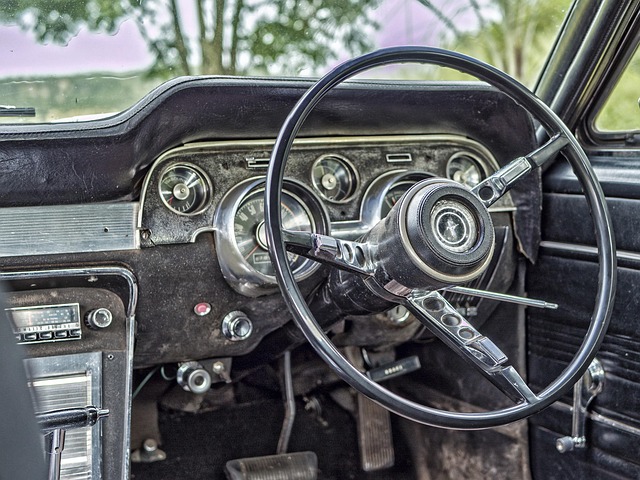
Before you can register your car in California, ensure it’s prepared for a thorough DMV inspection. This process involves verifying key vehicle information through what’s known as DMV VIN verification, ensuring your car meets all safety and emission standards. Here’s a step-by-step guide to help you navigate this crucial part of the registration process:
Start by gathering essential documents like your vehicle registration, proof of insurance, and valid driver’s license. Next, locate your car’s Vehicle Identification Number (VIN) – typically found on a plate near the front or rear of the vehicle. In California, this number is critical for accurate DMV VIN verification. Consider using a mobile VIN verifier for convenience; these apps and tools can swiftly pull vehicle history reports and perform mobile VIN inspection, making the process faster and more efficient.
Now, prepare your car for inspection by ensuring all lights, indicators, brakes, and tires are in good working order. Check that emissions stickers are up to date – the DMV will inspect these during the verification process. If any issues are identified, address them promptly before bringing your vehicle in for registration. It’s also wise to keep records of any recent maintenance or repairs, as this documentation can facilitate a smoother inspection experience.
Finally, be ready to discuss any unique features or modifications with the DMV inspector. Mobile VIN verification tools can offer insights into these details, ensuring you have accurate information on hand. By following these steps and utilizing modern tools like mobile VIN verifiers, you’ll be well-prepared for DMV VIN verification, a vital step in registering your car in California.
Understanding the DMV VIN Verification Process

Registering a car in California involves several steps, with a crucial one being DMV VIN verification. This process ensures that your vehicle meets safety standards before it can be legally operated on state roads. Understanding how this verification works is essential for a smooth registration experience. The Department of Motor Vehicles (DMV) conducts a thorough inspection, checking the Vehicle Identification Number (VIN) to verify the car’s identity and history. This includes verifying the vehicle’s make, model, year, and specific features, as well as assessing any potential safety concerns or outstanding recalls.
One key aspect is the use of mobile VIN verification services, which have become increasingly popular. These services send a technician to your location to perform the inspection, eliminating the need for you to visit a DMV office. A mobile vin verifier can provide on-site results, saving time and effort. This method is particularly beneficial for folks with busy schedules or those who live in remote areas. Additionally, some mobile services offer same-day service, ensuring you meet any registration deadlines efficiently.
For instance, recent data shows that utilizing mobile VIN inspection has reduced DMV visit times by up to 50% for many California residents. This not only saves personal time but also contributes to a more streamlined and eco-friendly process. When choosing a mobile verifier, ensure they are state-approved and have a proven track record. For example, some reputable services employ certified mechanics who can accurately identify any issues, from minor mechanical problems to significant safety hazards. Regularly staying updated on recalls and maintenance requirements is crucial for passing these checks.
In terms of preparation, gather all necessary documents, including your vehicle’s registration papers, title, and insurance information. Also, have the VIN readily available—it’s a unique identifier found on the vehicle’s chassis or on the dashboard near the driver’s seat. By being well-prepared and understanding the DMV vin verification process, you can efficiently navigate California’s car registration requirements.
Complete and Submit Your California Car Registration Application

To complete your California car registration process efficiently, you’ll need to fill out and submit the official application form, ensuring all required information is accurate and up-to-date. A key step in this process involves the DMV VIN verification—a crucial procedure that confirms your vehicle’s identity and history. This verification ensures that the car you’re registering matches the specifications listed on its title and has not been reported stolen or had previous accidents, which could affect its safety and value.
The application form typically requires detailed information about your vehicle, including make, model, year, and unique identifier—the Vehicle Identification Number (VIN). It’s important to input this VIN accurately, as it facilitates the mobile VIN inspection or verification process. Many counties in California offer online services where you can submit your application digitally, streamlining the experience. However, for the VIN inspection to occur, ensure that you have a valid driver’s license and proof of insurance ready to provide when requested by the Department of Motor Vehicles (DMV).
If you’re opting for a mobile VIN verification, professional inspectors will visit your location to perform a thorough check on your car. They’ll cross-reference the VIN with national databases to verify its authenticity, history, and any potential issues. This service is especially beneficial for those who want convenience or have busy schedules, as it saves time compared to visiting a DMV office. Remember, accurate record-keeping and timely DMV VIN verification are vital steps in maintaining your vehicle’s legal status and ensuring a smooth registration process in California.
Pay the Necessary Fees for Car Registration in CA

Registering a car in California involves several steps, with fee payment being a crucial aspect. The process requires you to pay various fees at different stages, from initial registration to annual renewals. Understanding these costs and ensuring accurate completion is essential for a smooth experience. One key step in this process is the DMV VIN verification, which confirms the vehicle’s identity through its unique Vehicle Identification Number (VIN). This step ensures that your car meets all legal standards before it can be registered.
In California, the fee structure varies based on factors such as the type of vehicle and whether you’re registering a new or used car. For instance, while registration fees for most cars range from $50 to $150 annually, additional charges may apply for specialized vehicles like motorcycles or classic cars. Moreover, if you opt for a mobile VIN inspection or use a mobile vin verifier service, there might be extra costs involved, typically around $20-$50, depending on the provider. These services offer convenience by allowing you to complete the VIN verification process from the comfort of your home or workplace.
Practical advice includes keeping detailed records of all fees paid during the registration process, as well as ensuring that any required documents, such as proof of insurance and vehicle ownership, are up-to-date. It’s also important to stay informed about potential discounts or waivers available through local DMV branches or online platforms. By being aware of these costs and services, you can avoid unexpected charges and streamline the registration process for your California vehicle.
By meticulously gathering all required documents, preparing your vehicle for a smooth DMV inspection, understanding the crucial role of the DMV VIN verification process, completing your application accurately, and promptly paying the associated fees, you can successfully navigate the car registration process in California. This comprehensive guide equips you with the knowledge to ensure a seamless transition, underscoring the importance of each step involved. Rely on these key insights as your authoritative roadmap for a successful car registration experience in the Golden State.