

Registering a car in California is more than just a bureaucratic formality; it’s a crucial step to legally operate your vehicle on state roads. However, the process can be complex, especially with stringent regulations in place. Many owners struggle with understanding the requirements, leading to delays and potential penalties. This article serves as your authoritative guide, offering a clear, concise roadmap through every step of the car registration process in California. We’ll delve into crucial aspects like preparation, necessary documents, and even introduce you to essential tools like the DMV VIN verifier to streamline your experience.
- Gather Necessary Documents for Car Registration
- Prepare Your Vehicle for DMV Inspection Using VIN Verifier
- Visit a California DMV Location or Use Online Services
- Complete the Car Registration Application Accurately
- Pay the Required Fees and Receive Your Registration Papers
Gather Necessary Documents for Car Registration

To register your car in California, you’ll need to gather several crucial documents, including proof of ownership, valid identification, and a completed vehicle registration application. Among these, the Vehicle Identification Number (VIN) inspection is paramount. The DMV offers a VIN verifier service, often accessible online or through their mobile app, allowing you to verify your car’s history and ensure it meets all legal requirements before registration.
One of the simplest methods for this critical step involves using a mobile VIN verifier. These tools provide instant access to detailed vehicle information, including historical accident reports, outstanding liens, and odometer readings. For instance, services like Carfax or AutoCheck offer mobile apps that enable you to scan your car’s VIN and receive a comprehensive report within minutes. This data is essential for identifying any potential issues that could delay registration.
Additionally, ensure you have all necessary paperwork from previous owners, such as title transfers and bill of sales, especially if purchasing a used vehicle. These documents not only facilitate the registration process but also serve as legal proof of ownership. By proactively gathering and verifying these materials, including through a mobile VIN inspection, you can streamline the car registration process in California, avoiding potential delays or complications down the road.
Prepare Your Vehicle for DMV Inspection Using VIN Verifier

Before you can register your car in California, ensure your vehicle meets all safety standards by preparing for a DMV inspection using a VIN verifier. This process involves verifying your Vehicle Identification Number (VIN) to confirm the authenticity and history of your car, ensuring it complies with state regulations. Many potential issues can be exposed through mobile VIN verification, allowing you to address them before heading to the DMV.
A VIN verifier, whether mobile or stationary, checks against vast databases to uncover previous accidents, outstanding liens, or unauthorized title changes – factors that could delay or even prevent registration. For instance, California’s Department of Motor Vehicles (DMV) recommends using a trusted mobile VIN verification service to expedite the inspection process. This digital solution offers convenience and accuracy, often providing detailed vehicle history reports in real-time.
During your preparation, consider instances where mobile VIN verification has proven invaluable. A study by the National Insurance Crime Bureau (NICB) found that nearly 20% of vehicles with altered or hidden VINs were caught through mobile verification tools. By employing these advanced technologies, you can ensure a smoother registration process and protect yourself from potential legal issues down the road. Before visiting the DMV, confirm your vehicle’s eligibility by obtaining a clean VIN inspection, ensuring compliance and peace of mind.
Visit a California DMV Location or Use Online Services
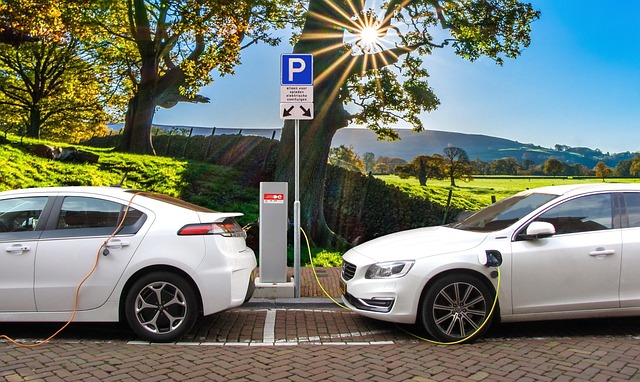
Registering a car in California involves several steps, one of which is choosing between visiting a physical California DMV location or utilizing online services. The former offers a hands-on experience, while the latter provides convenience and efficiency. Many Californians opt for online registration to save time and avoid crowds, especially given that the California DMV processes millions of transactions annually.
For those who prefer in-person interaction, visiting a local DMV office remains an option. At these locations, you’ll need to present specific documents, such as proof of ownership, vehicle identification number (VIN) verification, and identification. Here, a DMV VIN verifier plays a crucial role in ensuring the accuracy of your vehicle’s information before processing your registration. Mobile VIN verifiers are also available, offering added flexibility by allowing for inspections outside traditional DMV hours or locations.
An increasing trend among Californians is leveraging online services to complete their car registration, including mobile VIN verification. This approach streamlines the process, enabling you to initiate the registration from anywhere using a smartphone app. For instance, some third-party apps offer mobile VIN inspection services, which can be particularly useful for those who buy used cars or need quick verifications without visiting a DMV.
Remember that, regardless of your chosen method, accurate and up-to-date information is paramount. Using a mobile VIN verifier before initiating registration ensures that you have the correct data, reducing potential delays or errors. Data from the California DMV shows that online registrations generally take less time than in-person transactions, with many processes completed within minutes. By embracing modern tools like mobile VIN verification, Californians can efficiently navigate the car registration process.
Complete the Car Registration Application Accurately

Registering a car in California involves several steps, and accurately completing the Car Registration Application is one of the critical stages. This process ensures that your vehicle complies with state regulations and enables you to legally operate it on California roads. The application requires meticulous attention to detail, especially when inputting your Vehicle Identification Number (VIN). A VIN is a unique code consisting of 17 characters that identifies your car’s make, model, year, and production location. Accurately recording this number is vital for several reasons, including proper vehicle history tracking and ensuring you receive the correct registration and insurance information.
When filling out the application, double-check each field to avoid mistakes. The VIN, in particular, should be entered exactly as it appears on your car’s certificate of title or the label located under the windshield. If you’re unsure about any part of the form, consult the California Department of Motor Vehicles (DMV) guidelines or seek assistance from a DMV representative. They can help ensure that your application is complete and accurate, preventing potential delays in processing.
To enhance accuracy during the VIN input process, consider utilizing a mobile vin inspection service. These services use advanced technology to verify the VIN, ensuring there are no errors due to misreading or transcription. Furthermore, some mobile services offer additional benefits like providing the vehicle’s history and previous ownership details, which can be invaluable when registering a used car. By combining meticulous attention to detail with modern verification methods, such as mobile vin verification, you contribute to a seamless registration process in California.
Pay the Required Fees and Receive Your Registration Papers

Registering a car in California involves several steps, but paying the required fees and receiving your registration papers is a crucial phase that cannot be overlooked. After gathering essential documents, such as proof of ownership and insurance, you’ll need to visit the California Department of Motor Vehicles (DMV) or use their online services to complete the process. Once at the DMV, one of the key tasks is to pay the necessary fees, which cover administrative costs and vehicle registration expenses. These fees vary based on factors like your vehicle’s age, type, and fuel source.
A significant step in this process involves utilizing a DMV VIN verifier, either through their physical offices or by employing mobile VIN verification services. This step ensures that your vehicle’s identification number (VIN) is accurate and matches the data on record. Mobile VIN verifiers are particularly convenient, allowing you to complete this inspection from the comfort of your location. For instance, many third-party apps offer mobile VIN verification services, streamlining the process by providing instant results. These apps can be invaluable for those with busy schedules or who prefer a hassle-free experience.
After confirming the VIN and paying the fees, you’ll receive your registration papers. These documents are essential not only for legal compliance but also serve as proof of ownership and vehicle registration. Always keep these records up to date and readily available, as they may be required during future transactions or interactions with law enforcement. Remember that accurate and timely registration is crucial for road safety and ensuring your vehicle’s legality on California’s roads.
Registering a car in California involves careful preparation and accurate documentation. Key insights include gathering essential documents, ensuring your vehicle passes DMV inspection using a DMV VIN verifier, completing applications accurately, and paying required fees. By following these steps and utilizing tools like the DMV VIN verifier, you can navigate the registration process efficiently. This authoritative guide equips you with the knowledge to successfully register your vehicle, ensuring a smooth experience in the Golden State.