

Registering a car in California is more than just a bureaucratic task; it’s a critical step for any vehicle owner, ensuring legal compliance and personal safety on the roads. However, navigating the process can be daunting, given the array of requirements and potential pitfalls. This comprehensive guide aims to demystify the registration procedure, providing clear, expert advice tailored to California’s unique regulations. We’ll delve into every step, from gathering essential documents to utilizing reliable tools like the DMV VIN verifier, ensuring you have a seamless and stress-free experience.
- Prepare Necessary Documents for Car Registration
- Visit Your Local California DMV Office or Use Online Services
- Verify Vehicle Identification Number (VIN) with DMV VIN Verifier
- Complete and Submit the Registration Application Form
- Pay Registration Fees and Receive Your License Plate
Prepare Necessary Documents for Car Registration

Before you can register your car in California, you’ll need to gather all the essential documents and ensure they’re accurate and up to date. The process involves several key steps, with a primary focus on verification through a DMV VIN verifier or, for added convenience, a mobile VIN verifier. This step is crucial as it ensures that your vehicle’s history aligns with its current condition. One common misconception is assuming that all documents are readily available; however, in some cases, you may need to obtain historical records from previous owners or repair shops via a VIN inspection.
For instance, California requires a Vehicle Ownership Transfer (Form DVF 140) when transferring registration, along with proof of insurance and a current vehicle inspection. Additionally, the Department of Motor Vehicles (DMV) recommends using a mobile VIN verification service to check for any outstanding issues or recalls before finalization. This is particularly beneficial for buyers as it can save time and effort by comparing the vehicle’s reported history against its actual condition.
Practical insights suggest that having all your documents in order, including proof of ownership, title transfer forms, insurance papers, and a valid driver’s license, will streamline the registration process significantly. It’s also advisable to check with local DMV offices for any specific requirements or additional documentation needed, as regulations can vary. By proactively preparing these materials, you’ll ensure a smoother car registration experience in California.
Visit Your Local California DMV Office or Use Online Services

Registering a car in California involves several steps, one of which is visiting your local California DMV office or utilizing online services. For many residents, the latter option has become increasingly popular due to its convenience and efficiency. If you prefer a hands-on approach or need specific documentation, a visit to the DMV may be necessary.
The California DMV offers an array of services for vehicle registration, including mobile VIN inspection and verification. A VIN (Vehicle Identification Number) verifier is a crucial tool in this process, ensuring that the details of your car match the information provided by the manufacturer. This service can be accessed both online and in-person. For instance, many county DMV offices now provide mobile VIN verification, allowing you to get an instant reading of your vehicle’s history from the comfort of your home or even while waiting in line at the DMV. Online platforms also facilitate this process, where you can input your VIN to retrieve detailed information about your car’s past and any potential issues.
By utilizing these modern resources, such as mobile VIN inspection and online services, registering a car in California has become more accessible and streamlined. However, it’s important to remember that each county within California may have slightly different procedures, so always check with your local DMV for specific requirements. This ensures a smooth registration process tailored to your location.
Verify Vehicle Identification Number (VIN) with DMV VIN Verifier
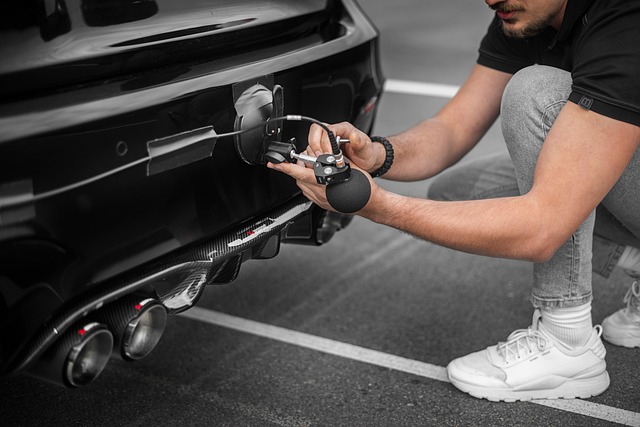
Verifying the Vehicle Identification Number (VIN) is a crucial step in the car registration process in California. This essential check ensures that the vehicle’s history is accurately represented and helps prevent fraud or theft. One effective method to confirm the VIN is by utilizing the Department of Motor Vehicles (DMV) VIN Verifier, a tool designed to streamline this verification process. The DMV offers both online and in-person services for this purpose, with the latter being particularly useful when combined with mobile vin inspection tools.
When you visit a California DMV office, staff members are equipped with mobile vin verifiers that enable them to cross-reference your vehicle’s VIN against their databases instantly. This process is efficient, often taking just minutes, and ensures the accuracy of your car’s registration. Moreover, many third-party services now offer mobile vin verification, allowing you to confirm a vehicle’s identity from the comfort of your home or business. These mobile vin inspection tools are valuable resources, especially when purchasing a used car, as they can help prevent buyers’ remorse by revealing potential issues or discrepancies in the vehicle’s history.
For instance, a 2015 study by the California DMV revealed that nearly 4% of vehicles with altered or falsified VINs were involved in traffic incidents, emphasizing the importance of proper VIN verification. By utilizing the DMV vin verifier, either through mobile vin inspection apps or in-person visits, Californians can help maintain the integrity of their state’s vehicle registration system and ensure safer roads for all. Remember, a simple VIN check could save you time, money, and potentially prevent accidents down the road.
Complete and Submit the Registration Application Form

Registering a car in California involves several steps, but completing and submitting the Registration Application Form is a critical one. This form, often referred to as the California Vehicle Registration Application (DMV Form MV-105), requires accurate information about your vehicle, including its make, model, year, and unique identification number—the Vehicle Identification Number (VIN). A crucial part of this process involves utilizing a reliable VIN verifier, such as a mobile VIN verifier or a digital tool that checks the VIN against the manufacturer’s database.
For instance, many mobile apps now offer this service, allowing you to verify your car’s history and ensure it’s not reported stolen or has any outstanding issues before completing the registration. These tools are particularly useful for those who purchase vehicles privately, as they can provide peace of mind and help avoid potential legal complications. The California Department of Motor Vehicles (DMV) recommends using a mobile VIN verification service to streamline the process and reduce potential errors.
When filling out the application, ensure you match the VIN provided by the vehicle’s manufacturer with the one on your registration documents, title, or insurance card. Mismatched information can delay processing, so double-checking this detail is paramount. Additionally, providing accurate owner information, including your full name, address, and date of birth, is essential for successful registration.
Submitting the completed form along with required fees and necessary documentation to a DMV office or by mail initiates the official registration process. Remember that specific requirements may vary based on your vehicle’s age and purpose, so always check the current guidelines on the DMV website. A mobile VIN inspection, done correctly, can be a valuable step in ensuring your car is ready for California’s registration process.
Pay Registration Fees and Receive Your License Plate

After completing your California vehicle registration application at the DMV or through their online services, the next step is to pay the required fees and receive your license plates. This process involves a few crucial elements, including verifying the Vehicle Identification Number (VIN) of your car. The DMV offers several convenient methods for this, such as using their official VIN verifier tool, which ensures accuracy and security throughout the registration process.
One efficient way to facilitate this step is by availing of mobile VIN inspection services. These specialized providers offer on-site or remote verification using advanced technology, allowing you to complete your VIN check promptly, often within minutes. This option is particularly beneficial for those who prefer a hassle-free experience or have unique vehicle models that may require additional scrutiny. For instance, some companies provide real-time data checks, instantly confirming the vehicle’s history and identifying any potential issues, thus streamlining the registration process.
Once your VIN has been successfully verified, you can proceed to make the necessary payments. California residents typically pay a base registration fee plus additional charges based on various factors like the type of vehicle and emissions standards. It’s advisable to review the official DMV website or consult their representatives for the most up-to-date fee structures. After paying, you’ll receive your license plates, which should be securely fastened to your vehicle as per state regulations. This marks the successful completion of your car registration process in California.
Registering a car in California is a straightforward process that requires careful preparation and accurate information. Key takeaways include gathering all necessary documents for car registration, visiting or using online services at the California DMV, verifying the Vehicle Identification Number (VIN) with a DMV VIN Verifier to ensure vehicle authenticity, completing and submitting the registration application form accurately, and paying the required fees to receive your license plate. By following these steps and utilizing tools like the DMV VIN Verifier, you can efficiently navigate the car registration process, ensuring your vehicle’s legitimacy and compliance with California regulations. This authoritative guide provides clear direction for a successful and stress-free registration experience.