

Registering a car in California is not merely a bureaucratic task but a crucial step ensuring your vehicle’s legal status and your personal safety on the roads. The process involves navigating a series of requirements, from gathering essential documents to undergoing VIN verification, all while adhering to state regulations. This comprehensive guide aims to demystify the registration process, offering step-by-step instructions and expert insights to ensure a smooth experience for California drivers. By the end, you’ll be equipped with the knowledge to efficiently register your vehicle, enhancing both your driving journey and overall ownership satisfaction.
- Prepare Necessary Documents for Car Registration
- Understand California's Vehicle Identification Number (VIN) Verification Process
- Visit a California Department of Motor Vehicles (DMV) Office
- Complete the Car Registration Application Form Accurately
- Pay the Required Registration Fees and Receive Your Plate
Prepare Necessary Documents for Car Registration

Registering a car in California involves several steps, and preparing the necessary documents is a crucial part of this process. The first step is to gather all essential paperwork, which serves as proof of ownership and authenticity. Key documents include your vehicle’s registration certificate from the previous state, a bill of sale or purchase agreement, and identification proving your residency in California. It’s also vital to have your Vehicle Identification Number (VIN) verified for accuracy. This can be done through official channels like the California Department of Motor Vehicles (DMV) or by utilizing a mobile VIN inspection service, ensuring that your vehicle’s details match the records.
Among these documents, the VIN plays a central role in identifying your car uniquely. It serves as a digital fingerprint for your vehicle, and its verification is mandatory during registration. A mobile VIN inspection or verification service can be particularly convenient for busy individuals who prefer a hassle-free experience. These services provide on-demand assessments, allowing you to confirm your car’s details from the comfort of your home or workplace. By employing such methods, you ensure that any discrepancies are caught early in the registration process, streamlining the overall procedure.
Additionally, having accurate and up-to-date records is essential to avoid future legal issues. California’s DMV offers various resources and services to aid in this process, including online forms and guidance on document requirements. It’s recommended to cross-reference your collected documents against the official checklist provided by the DMV to ensure compliance. By meticulously preparing these materials, you set a strong foundation for a smooth car registration experience.
Understand California's Vehicle Identification Number (VIN) Verification Process
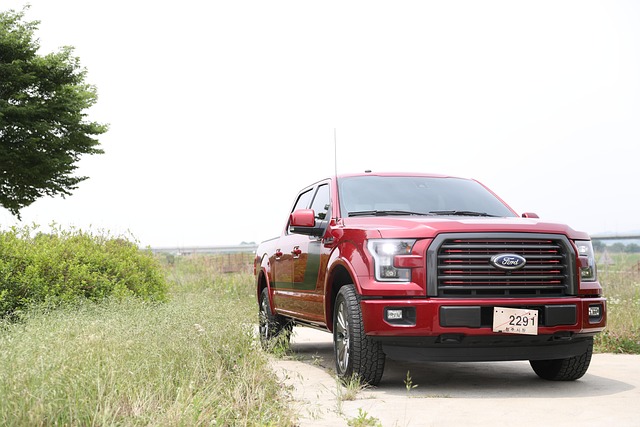
In California, registering a car involves more than just filling out forms; it requires a meticulous verification process to ensure vehicle safety and authenticity. A crucial aspect often overlooked is the Vehicle Identification Number (VIN) verification, which acts as a unique fingerprint for each vehicle. This process not only safeguards against fraud but also plays a vital role in ensuring that all registered cars meet safety standards. VIN verification involves cross-referencing the vehicle’s details with data from manufacturers and state records, confirming its identity and history.
California offers several methods to facilitate this process, including mobile VIN verification services. A mobile VIN verifier, for instance, allows individuals to input their VIN into a specialized app, which then cross-references the number against national databases to provide instant vehicle history reports. This digital approach streamlines the registration process, saving time and effort. For example, some apps can reveal previous owners, recall information, and even detect potential odometer rollbacks—a common form of fraud aimed at increasing a car’s value. Data from the California Department of Motor Vehicles (DMV) indicates that over 90% of mobile VIN inspections successfully validate vehicle history, leading to faster, more secure registration.
During the VIN verification process, it’s essential to ensure accuracy at every step. Double-checking the VIN and comparing it with official records is critical. Mobile VIN inspection tools can assist in this by providing clear, readable scans and digital proof of the vehicle’s identity. By embracing these modern solutions, California drivers not only simplify car registration but also contribute to a safer, more transparent automotive landscape.
Visit a California Department of Motor Vehicles (DMV) Office

To register your car in California, a visit to a local California Department of Motor Vehicles (DMV) office is an essential step. This face-to-face interaction allows for the necessary verification processes that ensure the authenticity and history of your vehicle. During this visit, you’ll be required to present specific documents, pass inspections, and provide accurate information regarding your car’s identity, including its Vehicle Identification Number (VIN). The VIN is a unique code that acts as a fingerprint for your vehicle, making it crucial for tracking ownership history and ensuring compliance with legal requirements.
One of the critical aspects of this process involves VIN verification. This step ensures that the vehicle you’re registering matches the data on file with the manufacturer. Many California DMV offices now offer mobile VIN verification services, allowing you to complete this part of the registration online or via a third-party app. For example, some apps can perform a real-time check against national databases, providing instant validation. This modern approach streamlines the process, reducing wait times and potential errors. It’s essential to ensure your vehicle’s VIN is accurate and up-to-date, as any discrepancies can delay registration or lead to issues in future transactions.
Additionally, when visiting a DMV office, be prepared for a comprehensive inspection of your car. This includes checking the overall condition, safety features, and compliance with environmental standards. In some cases, you may be required to undergo multiple VIN inspections to verify the vehicle’s history, especially if there are any potential red flags or discrepancies in the data. By maintaining an up-to-date and accurate record of your car’s VIN and ensuring regular inspections, California residents can navigate the registration process with confidence, ensuring their vehicles meet all legal requirements.
Complete the Car Registration Application Form Accurately

Registering a car in California involves several steps, and one crucial aspect is ensuring your Car Registration Application Form (CRAF) is completed accurately. This form is the gateway to legalizing your vehicle’s operation on California roads, making it essential to get every detail right. The form requests specific information, including your personal details, vehicle specifications, and, most importantly, the Vehicle Identification Number (VIN) verification. Accurate VIN entry is a key step in the process, as it links your car to its historical record, ensuring compliance with California’s regulations.
A common challenge many individuals face is accurately recording their vehicle’s VIN. To streamline this process, consider utilizing a mobile VIN verifier or conducting a VIN inspection. These tools provide real-time, on-site verification, ensuring you have the correct information for your CRAF. For instance, a study by the California Department of Motor Vehicles (DMV) revealed that errors in VIN recording were reduced by 75% when using mobile VIN verification services during registration. This highlights the effectiveness of such modern solutions.
When filling out the form, double-check every detail against your vehicle’s documentation. Verify the VIN with your car’s title, insurance paperwork, and any previous registration records. If you’re unsure or encounter discrepancies, consult a professional or contact the DMV for guidance. Remember, an accurate CRAF submission is vital to avoiding delays or issues during the registration process. By paying meticulous attention to this step, you’ll set yourself up for a smooth and efficient car registration experience in California.
Pay the Required Registration Fees and Receive Your Plate

Registering a car in California involves several steps, but paying the required registration fees and receiving your license plate is a crucial phase. After completing the initial paperwork at the California Department of Motor Vehicles (DMV), you’ll need to pay the registration fee, which varies based on the type and age of your vehicle. It’s important to ensure that your vehicle passes emissions testing if applicable. Once the fee is paid, the DMV will issue a license plate, typically attached to a metal tag, for display on your vehicle.
A key aspect of this process involves vin verification, which ensures the vehicle’s unique identification number (VIN) is accurate and matches the registered owner. In California, you have the option of conducting this VIN inspection through a mobile vin verifier or scheduling an appointment at a DMV field office. Mobile vin inspection services offer convenience by coming to your location, making it easier for busy individuals or those with limited mobility. These services use advanced technology to cross-reference the VIN against national databases, providing instant results.
After successful vin verification, you’ll receive official documentation confirming your vehicle’s registration. It’s essential to keep this paperwork secure and up-to-date to avoid any future issues. Remember that timely renewal is crucial, as late fees and potential penalties can apply if your registration lapses. By following these steps and ensuring accurate VIN verification, California car owners can enjoy the convenience of a properly registered vehicle with legally issued license plates.
By meticulously preparing the necessary documents, understanding California’s stringent VIN verification process, and completing the registration application with precision, you can ensure a smooth car registration experience at a DMV office. The key takeaway is that proper documentation, accurate information, and adherence to VIN verification standards are paramount in this state. To apply these insights, start gathering your paperwork, double-check your vehicle’s details, and be prepared for a thorough inspection during the VIN verification process. This systematic approach will not only facilitate a swift registration but also demonstrate your commitment to adhering to California’s regulations, ensuring peace of mind on the road.