

Registering a car in California is not just an administrative task; it’s a crucial step to ensure your vehicle’s legality on state roads. However, navigating the process can be a headache, especially with evolving regulations and complex procedures. This article serves as your authoritative guide, cutting through the clutter to offer clear, concise steps for successful registration, including essential details like DMV VIN verification. By following these instructions, you’ll not only streamline the process but also gain peace of mind, knowing your vehicle complies with California’s stringent standards.
- Understand California Car Registration Requirements
- Gather Necessary Documents for DMV Visit
- Perform DMV VIN Verification: A Step-by-Step Guide
- Complete the Registration Application Accurately
- Finalize and Obtain Your California Registration Papers
Understand California Car Registration Requirements

Registering a car in California involves understanding specific requirements to ensure legal compliance and smooth transactions. The California Department of Motor Vehicles (DMV) oversees the registration process, demanding accurate information and proper documentation. One crucial aspect that often requires emphasis is the DMV VIN verification process, ensuring the vehicle’s identity and history are accurately represented.
When preparing for car registration, it’s essential to have your vehicle’s Vehicle Identification Number (VIN) ready for verification. This unique 17-character code acts as a fingerprint for your car, providing critical information about its make, model, year, and production location. The DMV utilizes this data to cross-reference with their records during the registration process. A common and convenient method for VIN verification in California is through mobile inspections. Mobile vin inspection services allow you or a designated agent to have your vehicle’s VIN inspected at your preferred location, saving time and effort compared to visiting a DMV office. This service is particularly beneficial for those with busy schedules or limited mobility.
In some cases, the DMV may require additional documentation beyond the standard registration forms and fees. For instance, if you’re registering a vehicle that was purchased privately, you might need to provide proof of sale, such as a bill of sale or purchase agreement. Moreover, vehicles with modifications or unique builds could necessitate specialized inspections to ensure compliance with safety and emissions standards. Utilize resources available on the DMV’s official website to stay informed about any specific requirements based on your vehicle’s characteristics.
Practical advice for navigating California car registration involves starting the process early, gathering all necessary documents, and ensuring every detail is accurate. By understanding and adhering to these requirements, including the mobile VIN verification process, you can streamline the registration experience and ensure your vehicle remains legally registered and insured.
Gather Necessary Documents for DMV Visit

Before you can register your car in California, you need to gather all the necessary documents for a successful DMV visit. This process requires preparation and attention to detail. First, ensure that your vehicle’s registration is up to date. The California Department of Motor Vehicles (DMV) will require proof of current registration from the previous state where your vehicle was registered. You’ll also need to provide proof of identity, typically a driver’s license or passport. It’s essential to have these documents in order before scheduling your visit.
The next crucial step involves obtaining a Vehicle Identification Number (VIN) inspection. This can be done through a mobile vin inspection service, where a professional will come to you for a convenient and efficient check. Alternatively, many auto parts stores offer this service, which is often referred to as a mobile vin verifier. The VIN inspection is vital as it allows the DMV to verify the vehicle’s history, including any accidents or outstanding loans. In California, a VIN inspection is typically required 1-3 times during the registration process, depending on various factors such as the age and purchase origin of your car.
Additionally, you’ll need to gather other essential documents like proof of insurance, which can be presented through an online insurance card or a printed certificate. If you’ve recently purchased the vehicle, you might also require a bill of sale or a title transfer document. It’s worth noting that some of these steps can be streamlined with digital tools available on the DMV website. For instance, you can prepare your documents electronically and even schedule appointments online to avoid long queues at the DMV. Proper preparation ensures a smoother registration process, so take the time to gather all necessary materials before heading to the DMV.
Perform DMV VIN Verification: A Step-by-Step Guide
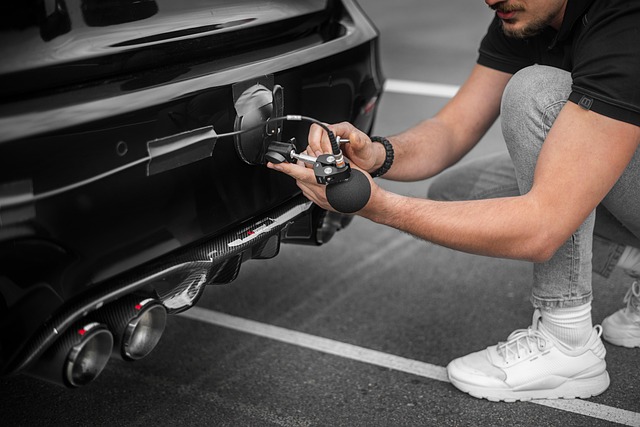
Performing a DMV VIN (Vehicle Identification Number) verification is a crucial step in registering your car in California. This process ensures that the vehicle you’re submitting for registration matches the records held by the Department of Motor Vehicles (DMV). Here’s a step-by-step guide to help you navigate this critical aspect of car registration.
First, gather all necessary documents and information specific to your vehicle. This includes the VIN, which can typically be found on the vehicle’s driver-side door frame or in its engine compartment. You’ll also need the title or proof of ownership, along with any required emissions test results. Once you have these ready, visit a California DMV office or utilize their online services for verification. The DMV will cross-reference your VIN with their records to ensure it matches a valid vehicle in their system.
For those who prefer a more convenient approach, mobile vin inspectors offer an alternative solution. These professionals use specialized tools and databases to conduct a vin inspection on-site, providing immediate results. A quick online search can help you locate reliable mobile vin verifiers in your area. This option is particularly beneficial for individuals with busy schedules or those who live remote locations, ensuring the process is hassle-free and efficient.
In rare instances, if the VIN verification fails, it could be due to discrepancies in the vehicle’s history. The DMV may request additional documentation to resolve these issues. It’s crucial to remain patient during this process, as providing accurate and complete information will expedite resolution. Understanding these steps ensures a smooth car registration process in California, setting the stage for your vehicle’s legal operation on state roads.
Complete the Registration Application Accurately

To register your car in California, accurately completing the Registration Application is a crucial step. This process involves providing detailed and correct information about your vehicle, including its unique Vehicle Identification Number (VIN). The California Department of Motor Vehicles (DMV) requires this VIN verification to ensure the accuracy of vehicle records. It’s important to note that an accurate application minimizes delays and potential penalties later on.
One key aspect is ensuring the VIN is correctly entered, as it serves as a digital fingerprint for your car. This is where mobile VIN inspection and verification services can be invaluable. These services allow you to have the VIN checked from the comfort of your home or even during a test drive, providing real-time data that aligns with the DMV’s requirements. For instance, using a mobile VIN verifier, you can confirm if the vehicle has been reported stolen, check its historical maintenance records, and ensure there are no outstanding recalls—all essential components for an accurate application.
Moreover, be meticulous when filling out the form. Double-check all details, from the make and model to the year and color of your car. Inaccurate or missing information can lead to delays in processing. Remember, a mobile VIN inspection is not just a convenience; it’s a vital step in ensuring your Registration Application is complete and correct, ultimately facilitating a smooth registration process in California.
Finalize and Obtain Your California Registration Papers

After completing your California car purchase, it’s time to finalize the registration process at the Department of Motor Vehicles (DMV). This crucial step involves ensuring your vehicle meets all safety standards and legal requirements through a thorough vin inspection, which includes DMV VIN verification. A common misconception is that this process must be done in-person; however, many services now offer mobile VIN verifier options to streamline the experience.
To obtain your California registration papers, you’ll first need to schedule an appointment at your local DMV or use an online service if available. During your visit, a DMV inspector will conduct a comprehensive vehicle inspection, checking for lights, brakes, horn, and other safety features. This is where mobile VIN verification plays a significant role—a professional can perform this check using specialized tools that capture the Vehicle Identification Number (VIN) data from your car’s components to ensure accuracy in the inspection process. This digital approach not only saves time but also enhances data integrity by reducing manual entry errors.
Once your vehicle passes the inspection, the DMV will issue a registration certificate and license plate. It is essential to keep these documents secure as they are required for future vehicle transactions, such as insurance claims or selling your car. Remember, maintaining proper documentation not only ensures compliance with California laws but also facilitates efficient and stress-free interactions with government agencies in the future.
By meticulously navigating California’s car registration requirements, gathering essential documents, and successfully completing the DMV VIN verification process, you’ve laid the groundwork for a seamless registration experience. Accurately filling out the registration application and finalizing your paperwork ensures compliance with state regulations. This structured approach not only simplifies what can be a complex task but also reinforces your commitment to responsible vehicle ownership. Armed with these key insights from this authoritative guide, you’re now equipped to confidently register your car in California, ensuring a smooth and efficient process every step of the way.