

Registering a car in California is not just an administrative task; it’s a crucial step to ensure your vehicle’s legal status and your personal safety on the roads. However, navigating the process can be challenging, given the stringent regulations and various requirements. This article serves as your comprehensive guide, equipping you with the knowledge to smoothly navigate the registration process, including the vital step of DMV VIN verification. By the end, you’ll have the expertise to confidently register your vehicle in California, ensuring a seamless and stress-free experience.
- Gather Necessary Documents for DMV VIN Verification
- Prepare Your Vehicle for California Registration
- Visit a California DMV Office or Use Online Services
- Complete the Registration Application Form Accurately
- Pay Registration Fees and Obtain Your Vehicle's License Plate
Gather Necessary Documents for DMV VIN Verification

To register your car in California, you’ll need to gather several key documents for DMV VIN verification. This process is crucial to ensure your vehicle meets safety and environmental standards. First, obtain your Vehicle Identification Number (VIN) from your car’s registration or the vehicle’s label located on the driver’s side door frame. Next, collect essential papers like a valid driver’s license, proof of insurance, and evidence of ownership, such as a title or purchase agreement.
A mobile vin verifier can significantly streamline this process by enabling you to capture and transmit your car’s VIN digitally for immediate verification. This technology is particularly useful in California, where long DMV lines are common. Several apps and services offer mobile vin inspection, allowing you to complete this step efficiently from the comfort of your home or on the go. For instance, some providers can verify a VIN in under 15 minutes, significantly reducing the time typically associated with traditional DMV procedures.
Moreover, having a thorough understanding of your car’s history is vital. Gather any available maintenance records and previous inspection reports to ensure there are no outstanding issues that could affect registration. Remember, California’s DMV vin verification process is designed to cross-reference your provided information against their databases, so accuracy is paramount. By preparing these documents in advance, you can smoothly navigate the registration process, avoiding potential delays or complications.
Prepare Your Vehicle for California Registration
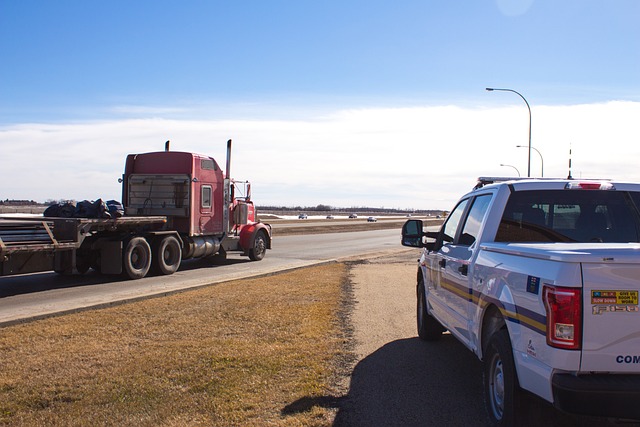
Before you begin the registration process at the California Department of Motor Vehicles (DMV), it’s crucial to ensure your vehicle meets all state requirements. One of the initial steps involves preparing for a thorough DMV VIN verification, which is a critical aspect of car registration in California. This process checks the vehicle’s history and ensures its components align with safety standards. As such, it’s essential to have accurate documentation and be prepared for potential inspections.
A key part of this preparation is ensuring your vehicle’s Vehicle Identification Number (VIN) is readily available. Many owners opt for a mobile VIN verification service to streamline this process. These services employ advanced technology to perform a digital inspection, checking the VIN against extensive databases to verify its authenticity and history. For instance, some popular mobile vin verifiers can provide instant reports detailing previous ownership, accidents, and maintenance records, all of which are vital during DMV visits. This modern approach saves time and offers peace of mind, especially for those with limited access to traditional inspection facilities.
Furthermore, having your vehicle’s service history in order can significantly impact the registration process. It’s beneficial to gather all maintenance records, repair invoices, and documentation related to significant modifications. These documents should be organized and ready to present during any vin inspection or DMV visit. For example, if your car has undergone significant repairs or unique customization, providing detailed records can expedite the verification process. By being proactive and well-prepared, California residents can ensure a smoother registration experience and avoid potential delays or issues down the line.
Visit a California DMV Office or Use Online Services

Registering a car in California involves several steps, one of which is visiting a California DMV office or utilizing online services. For those who prefer convenience, many tasks can be accomplished remotely through the DMV’s online platform. This includes submitting applications, paying fees, and even conducting a DMV VIN verification. The process begins with gathering essential documents such as your vehicle’s registration, proof of insurance, and identification. Once these are ready, owners can access the DMV’s website to initiate their registration, where they will be guided through each step in a user-friendly interface.
While the online method offers flexibility, some prefer or require an in-person visit. California DMV offices accept walk-ins for most services, though it’s advisable to call ahead to confirm availability and avoid long waits. During your visit, you’ll need to present valid identification, vehicle documents, and proof of insurance. A key aspect of the registration process involves a thorough VIN inspection. This is typically conducted by staff at the DMV or through mobile VIN verification services that can inspect a vehicle’s unique identifier remotely. The inspection ensures the vehicle’s authenticity and history, which is crucial for maintaining California’s robust automotive regulations.
For added convenience, some mobile VIN verifier apps allow drivers to complete this step from the comfort of their homes. These services connect you with certified inspectors who perform a digital VIN inspection, often including a comprehensive report on the vehicle’s past. This approach can save time and streamline the registration process, especially in areas with high traffic or long DMV lines. Ultimately, whether opting for online services or visiting an office, ensuring accurate VIN verification is a critical step in registering your vehicle in California, promoting safety and regulatory compliance.
Complete the Registration Application Form Accurately
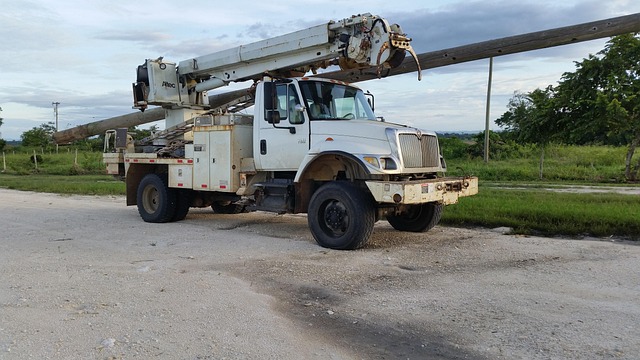
Completing the Registration Application Form accurately is a crucial step when registering your car in California. This form, typically provided by the Department of Motor Vehicles (DMV), demands meticulous attention to detail as it facilitates the official recognition of your vehicle. A key component of this process involves demonstrating the authenticity of your Vehicle Identification Number (VIN). The DMV offers a VIN verification service, often referred to as VIN inspection or dmv vin verification, which ensures that your car’s identification details match those on record with the manufacturer. This step is essential to prevent fraud and ensure vehicle security.
For instance, if you’re opting for a mobile vin verification service, a technician will physically inspect your vehicle to cross-reference its VIN with the documentation provided by the DMV. Alternatively, some services allow you to conduct this inspection yourself using a smartphone app, making it more convenient but no less reliable. It’s imperative that all information, from the VIN to the make and model of your car, aligns perfectly with official records. Any discrepancies can delay or even void the registration process.
To ensure accuracy during form completion, double-check every detail against your vehicle’s documentation. This includes the VIN itself, which is typically located on a plate near the driver’s side door or in the engine compartment. If you’re unsure about any aspect, consult with a professional or reference reliable online resources to clarify before submitting the application. Remember, an accurate registration form enhances the efficiency of the entire process, ensuring your car is legally registered and roadworthy without unnecessary delays.
Pay Registration Fees and Obtain Your Vehicle's License Plate

Registering a car in California involves several crucial steps, and one of the critical stages is paying the registration fees and obtaining your vehicle’s license plate. This process ensures that your automobile complies with state laws and allows you to legally operate it on California roads. The first step is to calculate and pay the required fees, which can be done online or at a nearby DMV office. These fees cover various aspects, including vehicle registration, car tax, and emissions testing (where applicable). It’s essential to have your Vehicle Identification Number (VIN) verified during this process, as it plays a vital role in establishing ownership and ensures the accuracy of your vehicle’s details.
The California Department of Motor Vehicles (DMV) offers several convenient options for fee payment. Most applicants opt for online payments, which are secure and can be managed through the official DMV website. Alternatively, you can mail in your application along with the necessary documents and fees. It’s worth noting that specific requirements may vary based on your vehicle’s type and age. For instance, older models might require additional inspections to meet safety standards.
Once your registration fees are paid, the next step is to obtain your license plate. The DMV will issue a unique California license plate for your vehicle after completing the VIN verification process. You can choose between standard plates or specialized options, depending on your preferences and vehicle make. In some cases, especially with mobile vin verifiers, you can even obtain a temporary permit allowing you to drive while awaiting your official plates. This ensures that you stay compliant with California’s legal requirements without unnecessary delays.
Registering a car in California involves a straightforward process, beginning with gathering essential documents for DMV VIN verification, ensuring your vehicle is ready, and accurately completing application forms. Key takeaways include the importance of preparing all necessary paperwork, including proof of ownership and identification. During the dmv vin verification step, accurately matching the provided vehicle information with the DMV’s records is crucial to avoid delays. Once verified, visiting a California DMV office or utilizing online services allows for efficient registration. Completing the application form requires attention to detail, as errors can lead to additional paperwork. After approval, paying the registration fees and obtaining your license plate completes the process, ensuring your vehicle is legally registered and ready for California’s roads.