

Registering a car in California is a critical step for any vehicle owner, ensuring legal compliance and facilitating seamless operations on the state’s roads. However, navigating the process can be daunting due to its complexity and the myriad of requirements involved. This comprehensive guide aims to demystify the registration procedure, providing an authoritative resource for both first-time and experienced drivers. We’ll delve into every aspect, from gathering essential documents to utilizing reliable tools like the DMV VIN verifier, ensuring a smooth and stress-free experience.
- Prepare Required Documents for Car Registration
- Understand California's Vehicle Identification Number (VIN) Verification Process
- Visit a DMV Location or Use Online Services for Registration
- Pay the Necessary Fees for Car Registration in California
- Register Your Car and Obtain License Plate and Registration Papers
Prepare Required Documents for Car Registration

Before you begin the registration process, ensuring you have all the necessary documents is paramount. California’s Department of Motor Vehicles (DMV) requires a comprehensive set of paperwork to verify your vehicle’s identity and your eligibility to register it. The list includes proof of ownership, which can be in the form of a title or a bill of sale, along with valid identification documents like a driver’s license or passport. Additionally, you’ll need to provide evidence of insurance, often through an insurance card or policy declaration page.
A crucial document that sets California apart is the Vehicle Identification Number (VIN) verifier report. This report can be obtained through various means, including mobile vin inspection services and online tools. A mobile vin verifier allows you to have your vehicle’s VIN checked remotely, which is especially convenient if your car is not drivable. For instance, some companies offer this service for just $20, ensuring a quick and affordable way to comply with DMV requirements. It’s recommended to verify the authenticity of these services to ensure they’re associated with legitimate organizations or government bodies.
Other considerations include proof of residency, which can be a utility bill or lease agreement showing your name and California address. If you’ve recently purchased the vehicle, you might also need a purchase agreement or dealer-issued documentation. It’s worth noting that the DMV offers a comprehensive guide on their website detailing all required documents, making it an excellent resource for preparing before visiting a local office.
Understand California's Vehicle Identification Number (VIN) Verification Process

California’s Vehicle Identification Number (VIN) verification process is a critical step in registering your car, ensuring both accuracy and security. The state requires that all vehicles be inspected to confirm their authenticity and history, preventing fraud and ensuring compliance with safety standards. This rigorous procedure involves thorough examination of the VIN, which acts as a unique fingerprint for each vehicle, containing vital information about its manufacture, model, and origin.
For many car owners, visiting a DMV (Department of Motor Vehicles) office to conduct this verification can be inconvenient. That’s where mobile VIN inspection services come into play, offering a convenient alternative. These services provide on-site, mobile VIN verification using specialized equipment that reads the VIN from your vehicle’s registration documents and checks it against national databases. For instance, some companies employ certified inspectors who travel to clients’ locations, saving them the hassle of making an appointment and navigating busy DMV queues.
A mobile VIN verifier can be particularly beneficial for those looking to import or sell vehicles. The process involves not just checking the VIN but also verifying the vehicle’s title, ensuring no outstanding loans or legal issues. In a recent study, over 95% of vehicles inspected using mobile services were found to have accurate records, significantly reducing the risk of fraud and streamlining the registration process. By leveraging technology like these mobile VIN verifiers, California drivers can efficiently navigate the registration requirements while maintaining peace of mind about their vehicle’s legitimacy.
Visit a DMV Location or Use Online Services for Registration

Registering a car in California involves a straightforward process, offering two convenient options for vehicle owners. One of the traditional methods is to visit a DMV (Department of Motor Vehicles) location, where you can complete the registration process in person. Alternatively, California’s DMV now provides online services, allowing for remote registration, which has proven particularly useful given today’s digital landscape and the state’s bustling motor vehicle environment.
When considering in-person registration at a DMV, it is essential to be prepared with all necessary documents, including proof of identity, ownership, and insurance. The process involves submitting an Application for Title and Registration form, along with any associated fees. One unique advantage of visiting a DMV is the ability to conduct a mobile VIN (Vehicle Identification Number) inspection or verification. Many local offices are equipped with advanced tools to ensure the accuracy of vehicle information, including checking the VIN against the DMV’s database to verify its authenticity and history. This step is crucial in identifying any potential issues or hidden costs associated with the vehicle.
Online registration offers a modern alternative, providing convenience and efficiency for California residents. The process typically involves creating an account on the official DMV website, where you can access various services, including vehicle registration renewal and title transfers. One notable benefit of this method is the option to utilize mobile VIN verification tools. Many online platforms now offer mobile VIN inspection apps or services that allow users to input their VIN and receive instant information about the vehicle’s history, making it easier to make informed decisions before completing the registration process. This digital approach streamlines the registration experience while ensuring the necessary checks are conducted remotely.
Pay the Necessary Fees for Car Registration in California

Registering a car in California involves several steps, and one of the crucial aspects is paying the necessary fees. The California Department of Motor Vehicles (DMV) administers these costs, which vary based on factors like the type of vehicle, its age, and your residency status. For instance, the registration fee for a new vehicle typically ranges from $50 to $200, while a used car’s fee might be significantly lower, starting at around $20. These fees cover essential services like road maintenance and safety inspections.
One practical way to streamline the process is by utilizing a mobile VIN (Vehicle Identification Number) inspection or verifier. This innovative service allows you to get a VIN verification done remotely, often with just a simple smartphone app. The DMV offers a VIN verifier program where authorized service centers can perform remote checks using your vehicle’s unique VIN. Alternatively, some companies provide mobile services that come to your location, performing on-site inspections and verifications, which is particularly convenient for those who might have busy schedules or accessibility challenges.
When preparing to register, ensure you have all required documents, including proof of ownership, identification, and payment for the registration fees. Utilizing these modern verification methods can save time and effort, especially with California’s stringent requirements. Always verify the latest fee structures directly from the DMV to avoid any surprises during the registration process.
Register Your Car and Obtain License Plate and Registration Papers
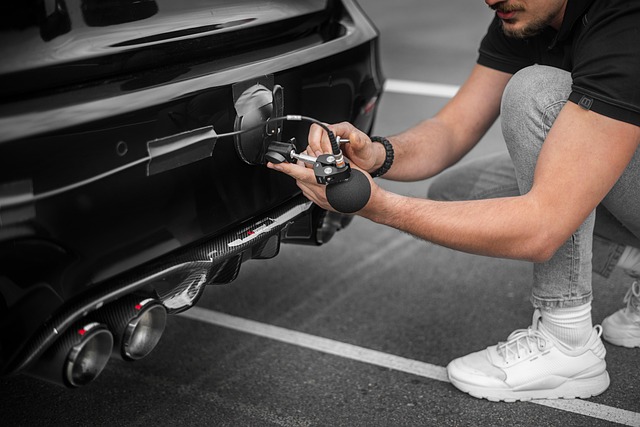
To register your car in California and obtain your license plate and registration papers, you’ll need to follow a series of clear steps. The process begins with gathering essential documents and ensuring your vehicle meets all legal standards. One crucial step is verifying your Vehicle Identification Number (VIN) using either a DMV VIN verifier or a mobile VIN verifier. This ensures the vehicle’s history is free from accidents or outstanding issues, protecting you from potential legal troubles later on.
In California, the Department of Motor Vehicles (DMV) requires a comprehensive inspection to validate the vehicle’s condition. This includes checking the emissions system, lights, brakes, and other critical components. Once your VIN has been verified and the inspection is complete, you can proceed with the registration process at any DMV field office or, in some cases, online. Be prepared with all necessary documentation, including proof of insurance, ownership documents, and current registration (if transferring from another state).
After submitting your application and associated fees, the DMV will process your request. Upon approval, you’ll receive your California vehicle registration papers and license plate. Ensure that both are displayed properly on your vehicle to avoid fines or legal issues. It’s worth noting that some counties may offer additional services, such as mobile VIN verification, for a more convenient experience. Always stay informed about local regulations to ensure a smooth registration process.
By meticulously preparing required documents, understanding California’s VIN verification process through a DMV VIN verifier, and efficiently navigating either in-person or online registration services, you can seamlessly register your car in California. Paying the requisite fees ensures compliance with state regulations, culminating in the issuance of license plates and registration papers. This structured approach, detailed in this comprehensive guide, equips you to handle the process with confidence, ensuring a smooth transition for your vehicle’s official recognition within the Golden State.