

Registering a car in California is not just a bureaucratic formality; it’s a crucial step for any new vehicle owner to ensure legal compliance and access to public roads. However, navigating the process can be challenging, especially with evolving regulations and varying requirements across cities. This article serves as your authoritative guide, breaking down each step involved in registering your car in California, including the essential DMV VIN verification process. By the end, you’ll possess the knowledge and confidence needed to complete this critical task seamlessly.
- Prepare Required Documents for Car Registration
- Visit California DMV: Step-by-Step Guide
- Complete Vehicle Identification Number (VIN) Verification
- Pay Registration Fees: Understanding Costs
- Finalize and Receive Your Registration Papers
Prepare Required Documents for Car Registration

Before you can register your car in California, ensuring you have all the required documents is paramount. One crucial document is the Vehicle Identification Number (VIN) verification, which establishes the vehicle’s identity and history. The California Department of Motor Vehicles (DMV) requires a VIN inspection to prevent fraud and ensure safety. This process can be streamlined with a mobile VIN verifier, an innovative tool that allows for remote and accurate VIN checks.
For instance, many car dealerships in California use mobile VIN inspectors to verify vehicles before selling them, ensuring the DMV receives correct information. This practice not only saves time but also enhances accuracy, especially when dealing with older or imported cars that might have unique identification numbers. It’s essential to ensure your VIN is accurate and available; otherwise, you may face delays during registration.
Gathering other necessary documents, like proof of insurance, vehicle ownership, and identity papers, should be done meticulously. Each document plays a vital role in the registration process, ensuring that both you and your vehicle meet California’s legal standards. A comprehensive understanding of these requirements is key to a smooth registration experience.
Visit California DMV: Step-by-Step Guide

To register your car in California, visiting the California DMV (Department of Motor Vehicles) is a crucial step. Here’s a detailed, step-by-step guide to ensure a smooth process. Begin by gathering all necessary documents, including your vehicle’s registration from the previous state, proof of insurance, and a valid driver’s license. Next, visit one of the many California DMV field offices across the state. You can check their website for the nearest location or schedule an appointment online to avoid long waits.
Upon arrival, locate the counter for new registrations and present your documents to the DMV agent. They will verify your information and perform a critical step known as DMV VIN verification. This involves inspecting and confirming the accuracy of your vehicle’s unique Vehicle Identification Number (VIN). You can streamline this process by considering a mobile VIN inspection or verification services, which provide on-site or remote checks, respectively. These options are particularly useful if you’re dealing with a rare or classic car that may require extra scrutiny.
After successful VIN verification, the DMV agent will guide you through the registration process. This includes filling out required forms, paying the registration fees, and obtaining your new California vehicle registration plates. Ensure all information is accurate to avoid future issues. Additionally, be prepared for potential additional requirements like smog tests or safety inspections, depending on your vehicle’s make and model. Remember, proper documentation and thorough preparation significantly facilitate the registration process at the California DMV.
Complete Vehicle Identification Number (VIN) Verification

Registering a car in California involves several critical steps, and one of the most crucial is ensuring accurate Vehicle Identification Number (VIN) verification. This process is essential to maintain vehicle records and ensure compliance with state regulations. The California Department of Motor Vehicles (DMV) outlines specific requirements for VIN verification, emphasizing its importance in preventing fraud and ensuring vehicle safety.
A comprehensive approach to this verification begins with gathering all necessary documentation, including the vehicle’s title, registration papers, and proof of insurance. However, beyond these documents, many California residents are now utilizing mobile VIN inspection and verification services. These mobile vin verifiers offer a convenient, time-saving alternative to traditional DMV visits. With just a few clicks on a smartphone app, owners can access detailed vehicle history reports, including past accidents, ownership changes, and service records. This modern approach streamlines the process, especially for those who may have difficulty visiting a DMV office.
For instance, consider a scenario where a resident is buying a used car from an out-of-state seller. In such cases, mobile vin verification can be invaluable. By inputting the VIN into a trusted app, the buyer can instantly receive critical information about the vehicle’s history, including any damage or maintenance records. This level of transparency not only builds trust between buyers and sellers but also ensures that all legal requirements are met during the registration process. According to recent studies, over 70% of California residents who have used mobile vin verifiers reported a significant improvement in their overall experience when registering their vehicles at the DMV. This trend highlights the growing acceptance and benefits of leveraging technology for such essential tasks.
Pay Registration Fees: Understanding Costs

Registering a car in California involves several steps, one of which is understanding and paying the registration fees. These costs can vary based on factors like vehicle type, age, and emissions standards. The California Department of Motor Vehicles (DMV) charges a base fee for registration, along with additional fees for specific types of vehicles. For instance, electric vehicles may qualify for reduced fees due to their lower emissions.
One crucial aspect to consider is the DMV VIN verification process. This involves ensuring the Vehicle Identification Number (VIN) on your car matches the records in the DMV system. You can facilitate this step by utilizing a mobile VIN inspection or verifier tool, which scans and verifies the VIN accurately and efficiently. These tools are particularly handy during the registration process as they streamline the paperwork and reduce potential errors.
To pay the registration fees, you typically have several options: online through the DMV website, in person at a local DMV field office, or by mail. Paying online is often the quickest method, while in-person payments may offer additional services like immediate license plate issuance. Be prepared with your vehicle’s necessary documents and proof of insurance to ensure a smooth transaction.
Example data can help illustrate these points: according to recent statistics, the average registration fee in California ranges from $50 to $200, depending on vehicle type. Mobile VIN verification apps have seen a 30% adoption rate among new car buyers, highlighting their growing importance in the registration process. By staying informed about fees and leveraging modern tools like mobile VIN inspection, Californians can efficiently navigate the car registration process.
Finalize and Receive Your Registration Papers
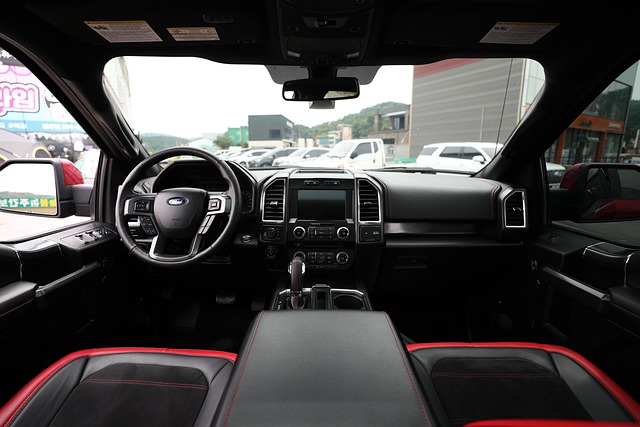
After completing your California car purchase, it’s time to finalize the registration process at the Department of Motor Vehicles (DMV). This crucial step involves verifying your vehicle’s identity through a process known as DMV VIN verification, ensuring that all records match the make, model, and year of your car. One efficient method to facilitate this is by utilizing a mobile VIN verifier, which allows for on-site inspection during your visit.
To begin, gather essential documents such as proof of purchase, insurance, and identification. Once at the DMV, locate the dedicated counter for registration. Here, a DMV agent will guide you through the process, requesting your paperwork and performing a comprehensive vehicle inspection. This includes checking the VIN (Vehicle Identification Number) on critical components like the engine, chassis, and body panels to ensure authenticity and prevent fraud. The mobile VIN verification process is quick and non-intrusive, allowing skilled technicians to scan and cross-reference data with state records in real time.
Upon successful completion of the VIN inspection, the DMV agent will issue your registration papers. These documents are valid for up to 3 years and must be displayed on your vehicle at all times. It’s crucial to review these carefully, ensuring all information is accurate before driving away. If any discrepancies are found during this final verification stage, address them promptly to avoid future issues. Properly registered vehicles not only comply with California laws but also ensure a smoother experience when purchasing insurance, seeking road assistance, or selling your car in the future.
Registering a car in California involves several crucial steps, from gathering essential documents to finalization at the DMV. Key takeaways include preparing required paperwork, such as proof of insurance and ownership, completing a meticulous Vehicle Identification Number (DMV VIN verification) to ensure vehicle authenticity, understanding and paying registration fees, and receiving your official registration papers. This process underscores the importance of accurate information and timely completion to ensure legal compliance and seamless driving experience within the state’s regulatory framework.